Before you take a deep dive into the world of painting it might be helpful to explore what type of art and what methods inspire you. We each learn in different ways and have different expectations related to art. Here are some thoughts to compare and consider:
- Do you have a specific style of art you prefer, such as realistic vs abstract or decorative VS expressive?
- Do you want to do something that has a clear methodology that is learnable with instruction and practice?
- Do you like watching tutorials and trying the idea or project after?
- Have you had any art instruction in the past? If so, what did you like or not like about it?
- Are you open minded about art and want to explore different mediums and styles?
- Are you willing to make a mess, let go of expectations and discover through a creative process?
- Do you prefer to learn hands on and in person?
- Do you have any favorite artists? Do you visit local museums, galleries or art shows?
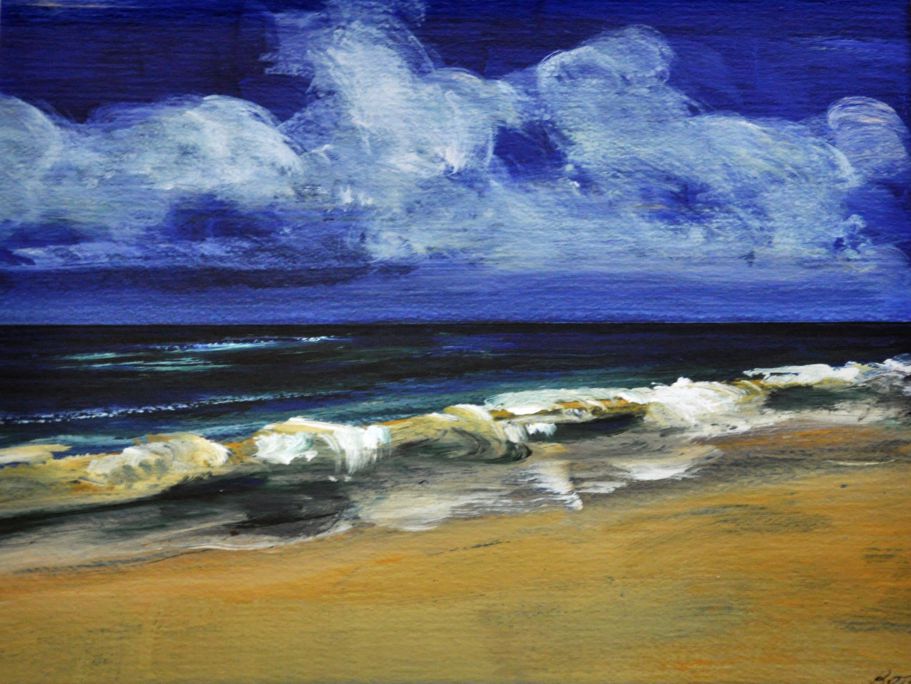

Above are two different styles and methods of painting. Two different ways of expressing oneself. Neither is right or wrong, good or bad. One may appeal to you more than the other. That may indicate a place to start your journey, or it may be the place you want to get to.
Start With an Art Journal
If you’ve always wanted to be a watercolor artist then just take classes and keep practicing your skills. Watercolor is not easy but you can learn systematically and improve with practice. If you’re not sure what or how you want to paint or create art, then it’s a good idea to collect inspiration in a journal to discover what motivates you and what you like.
Even if you know the style of art that you want to produce, it’s a good idea to keep an art journal as described below because it will help you progress as an artist.
- Buy a cheap 5×7 or 8×10 sketchbook at a dollar store.
- Look at art magazines and cut out images, colours, and designs you like.
- Glue the images in your sketchbook and make notes about why these images inspire you.
- Try drawing something similar in your sketchbook and colour it with coloured pencils or paint.
- Use your sketchbook to collect colours or designs that inspire you and record your thoughts about how these make you feel.
- Use your sketchbook to practice using different types of paint and mark-making tools. (Note that paint and tools will be different on paper vs canvas)
- Use your sketchbook to try different styles of drawing and doodling.
- Continue to use your sketchbook and others as an art journal to record your self-discovery and growth as an artist.
- Go to art shows, galleries, and museums to discover your interests and talk to the artists whenever possible.
- Don’t limit yourself to this list, art journals have endless uses!

My Journey
I’ve always known who may favorite artists were but I thought I could never measure up to their greatness. It took me a long time of playing around in sketchbooks, going to art shows and meeting artists before I got the nerve to take some classes. My slowness had nothing to do with lack of skills, talent or education, but more to do with uncertainty. Uncertain about what I wanted to create and why.
Through the types of journals I’ve described here, as well as intuitive collage journals, I began to discover what motivated me. I also gained confidence in my skills and clarified the direction I wanted to pursue. Expressing yourself through painting is as much about self-discovery as it is about learning skills and techniques.
So try it! Discover who you are and how you want to express yourself. Don’t measure yourself by your art idols, or other artists completed work, because they are expressing who they are and it took them time to get there as well. You can love their work and learn from it, while you take the time to develop your own. Step by step you will get there.
 Heart Beat of the Soul